Laser engraving has quietly replaced most other marking methods for anything that needs text, a logo, or an image on a hard surface. Awards, plaques, signs, promotional products, industrial parts, gifts. If you have searched for laser engraving services, you are probably trying to figure out whether the thing you have in mind can actually be engraved, how it will look, and what it will cost. This guide answers those three questions and explains what to look for in a provider.
How laser engraving works
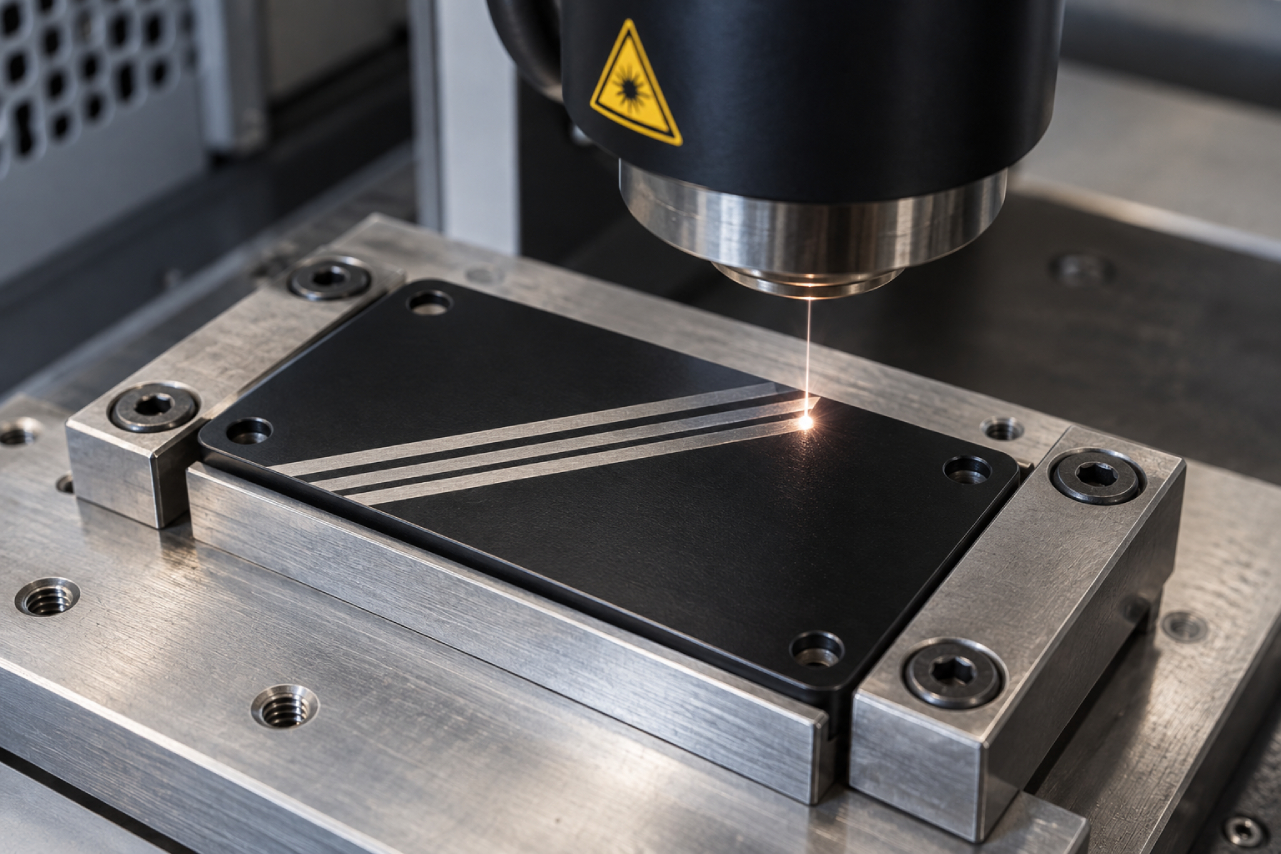
A laser engraver directs a focused beam of light at a surface. The energy either vaporizes a thin layer of material, leaving a recessed mark, or changes the surface chemically so it darkens or frosts. Which of those happens depends on the material and the type of laser.
CO2 lasers are the workhorse for wood, acrylic, glass, leather, paper, coated metals, and most plastics. Fiber lasers handle bare metals like stainless steel, aluminum, brass, and titanium, producing a dark permanent mark without a coating. A shop that runs both can take on almost any material. A shop with only one will have gaps.
The process is digital end to end. Artwork is prepared as a vector file, the machine traces it, and the result is identical every time. That consistency is the reason laser engraving took over from hand and rotary methods for anything ordered in quantity.
What materials can be laser engraved
Wood
Walnut, cherry, maple, bamboo, and alder all engrave beautifully, with the laser leaving a darker burned mark against the natural grain. Plaques, cutting boards, boxes, and signs are the common applications. A walnut plaque with a black brass plate combines laser-engraved wood with a metal plate. See our custom wood engraving guide for detail on species and finishes.
Acrylic
Cast acrylic engraves to a frosted white that reads clearly against clear or colored material. It is the standard for modern awards and desk pieces. The acrylic awards catalog is almost entirely laser-engraved product.
Glass and crystal
Laser engraving on glass produces a frosted mark. On optical crystal, a specialized process engraves below the surface, creating an image that appears to float inside the piece. This is the technique behind the premium look of the crystal awards catalog, and we cover it in depth in the crystal engraving guide.
Metal
Anodized aluminum, coated brass, and powder-coated steel engrave with a CO2 laser, which removes the coating to reveal the base metal. Bare stainless steel and titanium require a fiber laser. Name badges, nameplates, tools, flasks, and industrial parts fall here.
Leather and leatherette
Genuine leather and laserable leatherette both engrave to a contrasting mark. Portfolios, journals, luggage tags, and certificate holders are common.
Stone, slate, and marble
Natural stone engraves to a lighter contrasting mark. It is popular for memorial pieces and decor.
What laser engraving is used for
The applications group into a few categories. Recognition products, meaning trophies, plaques, and awards, which is the largest category and the one most engraving shops are built around. Signage and identification, meaning office signs, name badges, ADA signs, and equipment tags. Gifts and promotional items, meaning tumblers, cutting boards, pens, and anything with a logo. Industrial marking, meaning serial numbers, part IDs, and compliance labels on tools and components.
If your project fits one of those, a full-service engraving shop can handle it. If it is something unusual, describe the object and the material when you call, and a good shop will tell you within a minute whether it is possible.
What the results look like
Laser engraving produces a clean, precise mark with sharp edges. Fine text, small logos, and detailed line art all reproduce well. What it does not do is produce depth. On most materials the mark is shallow, which is fine for legibility but means it does not catch light the way a deep rotary cut does on brass or gold. For applications where depth matters, see types of engraving compared.
Color fill is available on many materials. After engraving, paint is applied into the recessed area to create a colored mark, which is standard on many plaques and signs.
Artwork requirements
Vector files produce the best results. An AI, EPS, SVG, or PDF with outlined fonts lets the machine trace clean paths. High-resolution raster images can be used for photos and complex art but produce a dot-pattern rather than clean lines. If all you have is a low-resolution logo from a website, a shop can often redraw it, but that adds time and cost. Ask before you assume.
Turnaround and pricing
Standard laser engraving on stock items typically runs two to five business days. Rush and same-day are available at shops that engrave in-house, and we cover the specifics in the same-day and rush engraving guide. Pricing depends on the material, the size of the engraved area, the complexity of the artwork, and the quantity. Per-piece cost drops quickly with volume because the setup is the expensive part. The engraving cost guide covers typical ranges.
Laser engraving for businesses
Corporate and institutional buyers use laser engraving in a few recurring ways. Recognition programs order engraved plaques and awards in batches, typically quarterly or annually, with a standard layout and variable names. Facilities teams order nameplates, door signs, and directional signage, often to match an existing standard. Marketing teams order branded gifts for clients and events: tumblers, cutting boards, pens, notebooks, and portfolios with a logo. Operations teams order equipment tags, serial plates, and compliance labels for tools and assets.
The common thread is a logo that needs to reproduce cleanly and a quantity that benefits from setup done once. A business that supplies a vector logo and a spreadsheet of names or text gets fast, consistent results at a low per-piece rate. A business that supplies a JPEG and a series of emails gets slower and more expensive results. The engraving cost guide explains why.
Laser engraving for individuals
Personal laser engraving is mostly gifts and keepsakes. Cutting boards for weddings and housewarmings. Tumblers and flasks for groomsmen. Pens and journals for graduations. Watches, bracelets, and pendants for anniversaries. Picture frames and memory boxes for memorials. The items are often brought in rather than purchased from the shop, and most engrave without issue as long as the material is one the laser handles.
Depth, contrast, and finish
Laser engraving is shallow by nature. On wood, the mark is a darker burn against the grain. On acrylic, a frosted white against clear. On coated metal, the coating is removed to reveal the base. On bare stainless with a fiber laser, a dark permanent oxide mark. On glass, a frosted etch. The contrast is what makes the mark readable, and materials with strong contrast, like maple, clear acrylic, and black anodized aluminum, produce the most legible results.
For applications that need depth or a tactile edge, rotary engraving is the better method. For applications that need full color, sublimation is. The types of engraving comparison explains when each applies.
Photographs and complex art
Lasers can engrave photographs on wood, acrylic, and anodized aluminum by converting the image to a halftone pattern. The result reads well from a normal viewing distance and looks dotted up close. High-contrast photographs with a clear subject engrave best; low-contrast or busy images become muddy. Portraits on memorial plaques and pet photographs on wood are the most common requests. Supply the highest-resolution file available and expect the shop to adjust contrast.
Frequently asked questions
Q. What file types are needed?
Vector files, meaning AI, EPS, SVG, or PDF with outlined fonts, for logos and line art. High-resolution PNG or JPEG for photographs.
Q. Can laser engraving be done on curved surfaces?
Yes, on cylinders like tumblers and bottles with a rotary attachment, and on gently curved surfaces within the laser’s focus range. Sharply curved or irregular items are harder.
Q. Is laser engraving permanent?
Yes. It removes or alters the material and cannot be wiped off. On coated metals, the mark lasts as long as the coating around it.
Q. Can existing items be laser engraved?
Most of them. Bring the item or describe the material and the shop will tell you.
Q. How small can text be?
Very small, but legibility depends on the material. On acrylic and anodized aluminum, text under a tenth of an inch is readable. On wood, a bit larger.
Q. What is the minimum order?
One piece.
Choosing a laser engraving provider
Three questions sort the good shops from the rest. Do they engrave in-house or send it out? Do they run both CO2 and fiber lasers? Will they send a proof before production? In-house control keeps the timeline honest, dual equipment means no material is off the table, and a proof means you see exactly what you are getting before it is permanent.
Viking Awards has been engraving in-house since 1973 and runs laser, rotary, and sublimation equipment at its Westchester, Illinois location. The shop handles everything from a single engraved gift to bulk corporate orders, and the engraving gallery shows finished work across materials. Call (630) 833-1733 with the item and the artwork you have in mind, or read the broader guide to custom engraving services.